

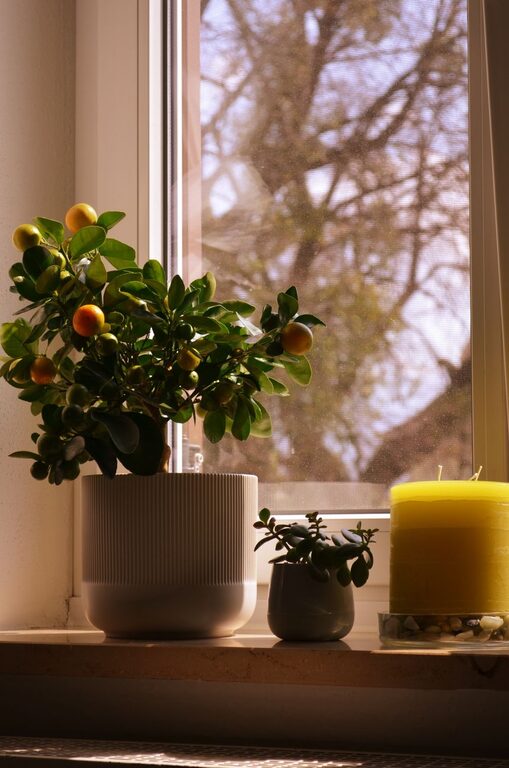




Essential Tips for Keeping Your Houseplants Healthy and Thriving
Bringing houseplants into your home not only adds a touch of greenery but also improves air quality and boosts your mood. However, keeping these plants healthy can sometimes be a challenge, especially if you’re new to indoor gardening. With the right care and attention, your houseplants can thrive and become a lasting part of your décor.
In this post, we’ll explore essential tips for maintaining healthy houseplants, from watering to lighting and everything in between.
Understanding Your Houseplant’s Needs
Each plant species has its own care requirements. While some plants like succulents thrive on minimal water and bright light, others prefer more humid environments and indirect light.
Research Your Plant
Before you bring a new plant home, take a moment to research its ideal conditions. Factors to consider include:
– Light requirements (direct, indirect, low light)
– Watering frequency and amount
– Humidity preferences
– Soil type
– Growth habits and size
This knowledge helps you provide the best environment for your plant’s growth.
Proper Watering Techniques
Watering is one of the most common challenges with houseplants. Both overwatering and underwatering can harm your plants.
How to Water Correctly
– Check the soil moisture: Before watering, stick your finger about an inch into the soil. If it feels dry, it’s time to water. If it’s still moist, wait a few days.
– Water thoroughly: When watering, do so until water drains out of the bottom of the pot. This ensures roots absorb moisture evenly.
– Avoid standing water: Make sure pots have drainage holes. Empty any excess water from saucers to prevent root rot.
– Adjust watering frequency by season: Most plants need less water in winter when growth slows.
Lighting Matters
Light is essential for photosynthesis, which fuels your plant’s growth. Understanding the right amount of light for each plant is critical.
Types of Light for Indoor Plants
– Bright direct light: Plants like succulents and cacti love this.
– Bright indirect light: Many tropical plants prefer a well-lit room but not direct sun.
– Low light: Some plants, like snake plants and pothos, tolerate lower light levels.
Tips for Optimizing Light
– Place plants near windows matching their light needs.
– Rotate plants occasionally to ensure all sides get sunlight.
– Use grow lights if natural light is insufficient, especially in darker months.
Feeding Your Plants
Just like any living organism, plants require nutrients to grow well.
Fertilizing Tips
– Use a balanced, water-soluble fertilizer designed for indoor plants.
– Follow package instructions carefully to avoid over-fertilizing.
– Fertilize more frequently during the growing season (spring and summer) and less during dormancy (fall and winter).
Managing Humidity and Temperature
Many houseplants, especially tropical varieties, enjoy higher humidity levels.
How to Increase Humidity
– Group plants together to create a microenvironment of higher humidity.
– Use a humidifier in dry rooms.
– Place a tray filled with water and pebbles under plants, ensuring pots aren’t sitting directly in the water.
Ideal Temperature Range
Most houseplants thrive between 65°F and 75°F (18°C to 24°C). Avoid placing plants near drafts, heaters, or air conditioners.
Repotting: When and How
As plants grow, they may outgrow their pots and become root-bound, which can stunt growth.
Signs It’s Time to Repot
– Roots growing out of drainage holes
– Water draining too quickly through the pot
– Plant looks top-heavy or is growing slowly
Repotting Steps
– Choose a pot 1-2 inches larger in diameter than the current one.
– Use fresh potting mix appropriate for your plant type.
– Gently loosen the roots before placing the plant in its new home.
– Water thoroughly after repotting.
Monitoring for Pests and Diseases
Indoor plants can occasionally attract pests like spider mites, aphids, or mealybugs.
Preventing and Managing Pests
– Inspect plants regularly, including the undersides of leaves.
– Clean leaves with a damp cloth to remove dust and pests.
– Use insecticidal soap or neem oil if infestations occur.
– Quarantine new plants before introducing them to your collection.
Pruning and Cleaning
Regular maintenance helps plants stay healthy and look their best.
Pruning Tips
– Remove yellowing or dead leaves promptly.
– Trim leggy growth to encourage bushier plants.
– Use clean, sharp tools to prevent damage.
Cleaning Leaves
Dust can block sunlight, so gently wipe leaves with a damp cloth or use a soft brush.
Final Thoughts
Keeping houseplants healthy is both a science and an art. With a little knowledge and consistent care, your indoor garden can flourish. Remember to observe your plants regularly—they often give clues about their needs through their appearance.
Happy planting!